
Exploring UK Metal Ceilings: Benefits and Uses
- Nicsolli Ltd
- Jan 20
- 4 min read
Metal ceilings have become a popular choice in modern architecture and interior design across the UK. Their versatility, durability, and aesthetic appeal make them an excellent option for both commercial and residential spaces. This article delves into the many benefits and practical uses of metal ceilings, helping you understand why they are gaining traction in the UK market.
Advantages of UK Metal Ceilings
Metal ceilings offer a range of advantages that make them stand out from traditional ceiling materials like plaster or wood. Here are some key benefits:
Durability and Longevity
Metal ceilings are highly durable and resistant to damage. Unlike plaster or drywall, metal does not crack or warp over time. This makes it ideal for areas with high humidity or temperature fluctuations, such as kitchens, bathrooms, and commercial spaces.
Easy Maintenance
One of the biggest advantages of metal ceilings is their low maintenance requirements. They are easy to clean with just a damp cloth and do not require frequent repainting or repairs. This saves both time and money in the long run.
Fire Resistance
Metal ceilings provide excellent fire resistance compared to other materials. This feature is particularly important in commercial buildings and public spaces where safety regulations are strict. Metal ceilings can help slow the spread of fire, providing extra time for evacuation.
Acoustic Performance
Certain metal ceiling designs incorporate perforations or acoustic panels that improve sound absorption. This makes them suitable for offices, schools, and theatres where controlling noise levels is essential.
Sustainability
Many metal ceilings are made from recycled materials and are fully recyclable at the end of their life cycle. Choosing metal ceilings supports sustainable building practices and reduces environmental impact.
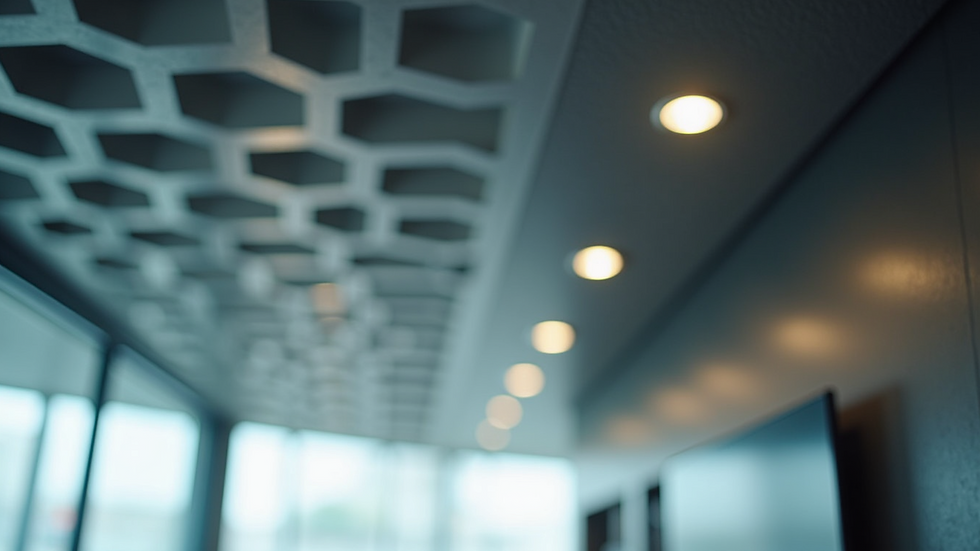
Popular Uses of Metal Ceilings in the UK
Metal ceilings are incredibly versatile and can be used in a variety of settings. Here are some common applications:
Commercial Buildings
Offices, shopping centres, and restaurants often use metal ceilings for their sleek appearance and practical benefits. The ability to integrate lighting, ventilation, and fire safety systems seamlessly makes metal ceilings a preferred choice.
Healthcare Facilities
Hospitals and clinics require ceilings that are hygienic and easy to clean. Metal ceilings meet these needs while also providing durability and fire resistance.
Educational Institutions
Schools and universities benefit from metal ceilings with acoustic properties that reduce noise distractions, creating a better learning environment.
Residential Spaces
Homeowners are increasingly opting for metal ceilings in kitchens, bathrooms, and even living rooms. The modern look combined with practical benefits makes metal ceilings a stylish and functional choice.
Industrial Settings
Factories and warehouses use metal ceilings for their robustness and resistance to harsh conditions. They also facilitate easy installation of lighting and sprinkler systems.

Installation and Design Flexibility
Metal ceilings offer great flexibility in design and installation, allowing for creative and customised solutions.
Variety of Finishes and Colours
Metal ceilings come in a wide range of finishes including matte, glossy, perforated, and patterned. They can be powder-coated in various colours to match any interior design scheme.
Modular Systems
Many metal ceiling systems are modular, meaning panels can be easily removed and replaced. This is particularly useful for maintenance access to electrical or HVAC systems.
Integration with Lighting and HVAC
Metal ceilings can be designed to incorporate lighting fixtures, air vents, and sprinkler heads without compromising aesthetics. This integration helps maintain a clean and organised ceiling space.
Easy Installation
Compared to traditional plaster ceilings, metal ceilings are quicker and less messy to install. This reduces downtime in commercial projects and minimises disruption.
Practical Tips for Choosing Metal Ceilings
When selecting metal ceilings for your project, consider the following factors to ensure you get the best results:
Purpose of the Space - Choose metal ceiling types that suit the function of the room, such as acoustic panels for noisy environments.
Budget - Metal ceilings vary in price depending on material and finish. Set a budget and explore options within that range.
Maintenance Needs - Consider how easy it will be to clean and maintain the ceiling over time.
Aesthetic Preferences - Select finishes and colours that complement your interior design.
Compliance - Ensure the metal ceiling system meets UK building regulations, especially for fire safety.
For those interested in exploring options, metal ceilings uk offers a comprehensive range of products and expert advice tailored to UK standards.
Future Trends in Metal Ceilings
The use of metal ceilings is evolving with new technologies and design trends shaping the market.
Smart Ceilings
Integration of smart technology such as LED lighting controls and sensors is becoming more common. Metal ceilings provide an ideal platform for embedding these systems discreetly.
Sustainable Materials
There is a growing focus on eco-friendly materials and manufacturing processes. Future metal ceilings will likely feature even higher recycled content and improved recyclability.
Customisation and Personalisation
Advances in manufacturing allow for bespoke metal ceiling designs, including custom patterns, colours, and shapes. This trend caters to architects and designers seeking unique solutions.
Enhanced Acoustic Solutions
Research into better sound-absorbing materials and designs will continue to improve the acoustic performance of metal ceilings, making them suitable for a wider range of environments.
Metal ceilings are not just a practical choice but also a design statement that can transform any space. Their combination of durability, aesthetics, and functionality ensures they will remain a popular option in the UK for years to come.

Comments